

Does Being In-Network Still Matter in 2026? Here's the Truth
It’s 2026. For a decade, the "gurus" have been shouting from the rooftops that the PPO apocalypse is coming. They told you that by now, every "real" dentist would be 100% Fee-For-Service, sipping espresso in a boutique office while patients happily hand over stacks of cash for a prophy.
But then you woke up this morning, checked your schedule, and saw a sea of Delta, Cigna, and Aetna logos staring back at you.
So, let’s cut through the noise. Does being in-network still matter in 2026? Or are you just a glutton for punishment, voluntarily signing up for a system that pays you in 1994 dollars while your lab fees and overhead are definitely in 2026 reality?
Spoiler: It matters, but not for the reasons the insurance companies want you to think.
At Veritas Dental Resources, we’ve spent years in the trenches. We’ve seen the games, the "lost" claims, and the sarcastic "we’re reviewing your request" emails that really mean "we’re waiting for you to go away." Here is the ground-level truth about network participation in today’s market.
The "Patient Flow" Carrot (And Why It’s Starting to Rot)
The insurance industry’s biggest selling point has always been "The Network." They tell you that if you sign their soul-crushing contract, they’ll send you a "steady stream of patients."
> Insurance Speak Translation: "We will direct patients to your office by burying the out-of-network providers on page 47 of our directory, and in return, you’ll agree to work for 40% less than your worth. It’s a win-win! (Mostly for us.)"
In 2026, the data still shows that dental insurance is the #1 predictor of whether a patient will actually show up for their appointment. PPO plans currently control over 80% of the market. If you drop every single plan tomorrow without a strategy, you aren’t "taking back your freedom", you’re likely taking an unscheduled vacation.
But here’s the kicker: Quantity is not quality. If you’re seeing 50 patients a day but your write-offs look like a crime scene, you aren't running a business; you’re running a non-profit that you didn’t mean to start.

The Credentialing Trap: Where Revenue Goes to Die
Most practices treat dental insurance credentialing like a "set it and forget it" task. You hire a new associate, you fill out some paperwork, you send it into the void, and you hope for the best.
Wrong.
In 2026, the insurance companies have weaponized the credentialing process. They use it as a gatekeeper to keep you on the lowest possible fee schedules. If you don't have professional dental credentialing services in your corner, you’re likely leaving thousands on the table from day one.
We’ve seen offices bring on a specialist, wait six months for credentialing, and then realize they were accidentally put under an "umbrella" contract that pays 20% less than the doctor across the street. It’s not an accident; it’s a feature of their system.
If you want to increase dental insurance reimbursements, you have to start at the source. Dental insurance credentialing isn't just about getting a provider ID; it’s about ensuring that ID is attached to the highest-paying contract available.
The Secret Weapon: Dental Contract Optimization
This is where the "us vs. them" fight gets interesting. You see, the insurance companies have these things called "Umbrella Networks" (or leased networks). You might think you’re signing up with Company A, but Company A actually leases its network to Companies B, C, and D.
If you aren't careful, you’ll end up being "optimized" right out of your own revenue.
But we can play that game, too. Dental contract optimization is the art of navigating these leases to find the "sweet spot." By strategically choosing which networks to join and which ones to access through a third party, you can often see a 10-35% jump in your reimbursements without changing a single clinical procedure.
> Insurance Executive (Internal Memo): "Wait, they figured out they can get paid more by joining the umbrella network instead of our direct contract? Quick, send them a confusing letter about 'standardization' and hope they don't call Veritas."
Is Negotiation Dead in 2026?
Nope, not even close.
I hear it every week: "Delta doesn't negotiate." Or, "The big guys have a take-it-or-leave-it policy."
While it’s true that insurance companies have become more stubborn than a toddler at naptime, dental PPO fee negotiation is still one of the most effective ways to grow your practice. But you can't just call them up and ask for more money. You have to use data, geography, and a 7-step process that makes them realize you actually know their rules better than they do.
When we handle a PPO fee negotiation, we aren't asking for a favor. We are demanding a fee that reflects the reality of 2026 dentistry. If your fees haven't been touched in three years, you’re essentially giving the insurance company a "loyalty discount" while they increase premiums for your patients.
How’s that for a thank you?
The Hybrid Model: The Only Way to Win
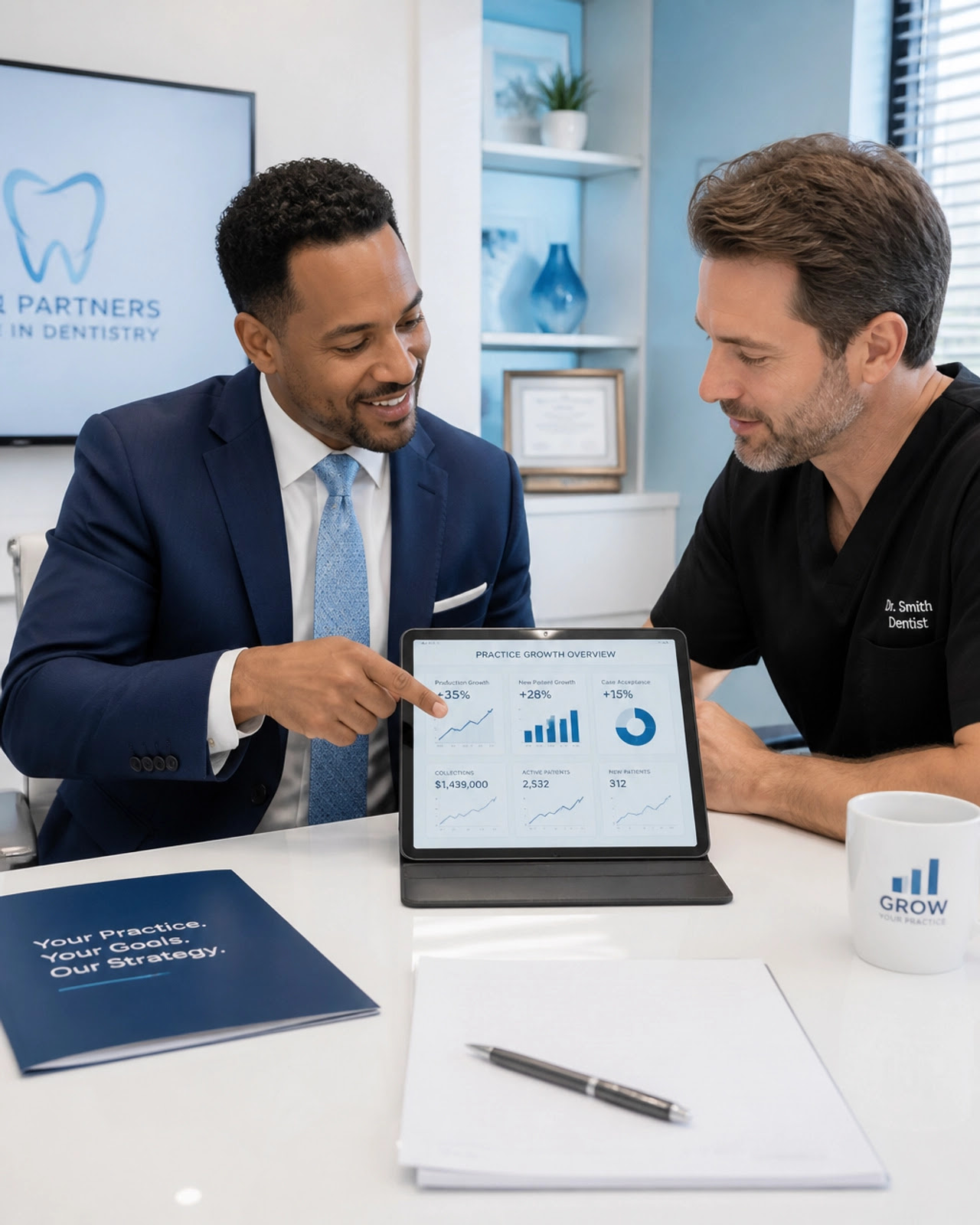
So, does being in-network matter? Yes, because it’s a tool for growth. But you shouldn't be in-network with everyone.
The most successful practices in 2026 are using a Hybrid Model. They are:
Selective: They stay in-network with the 2 or 3 plans that actually pay a living wage and have high patient volume.
Optimized: They use umbrella networks to get better rates for mid-tier plans.
Strategic: They go out-of-network for the plans that are essentially asking the doctor to work for free.
But there’s a catch. If you go out-of-network (or even if you stay in), your front office has to be bulletproof. You cannot leave it up to the patient to figure out their benefits.
This is where insurance verification services come in. If your team is spending four hours a day on hold with an insurance rep who clearly doesn't want to help, they aren't spending that time closing treatment or making the patient feel like a VIP.
For $17/hr, you can have a team of experts handle the dirty work. When the patient sits in your chair, you already know exactly what’s covered, what the out-of-pocket is, and how to present it so they say "Yes."
Why the Insurance Companies are Scared of You
The insurance companies rely on your exhaustion. They want you to be so tired of the paperwork, the denials, and the phone trees that you just give up and accept whatever crumbs they throw your way.
They want you to think you have no choice.
They are wrong.
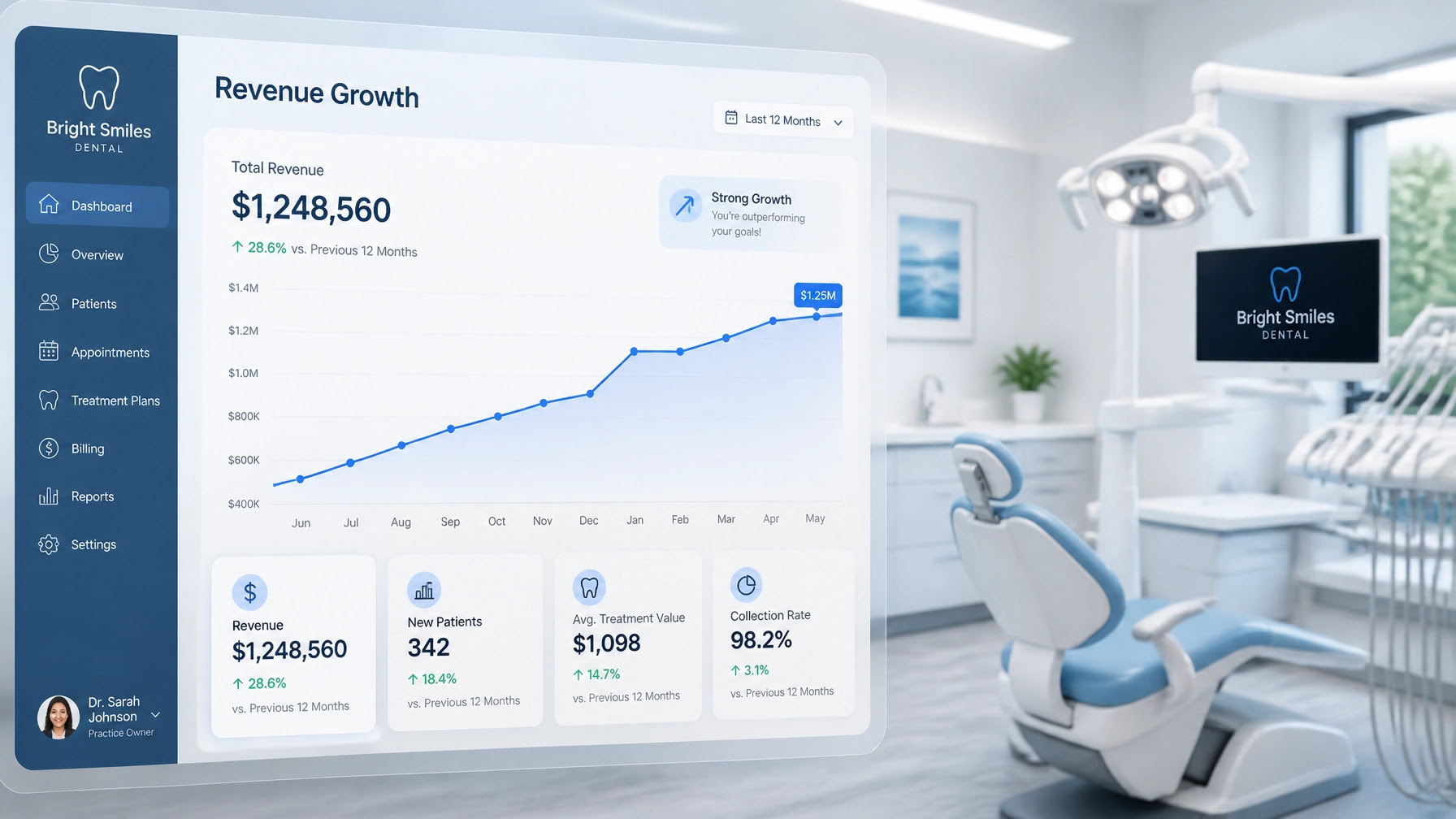
In 2026, the power is shifting back to the provider. Patients are becoming more educated, and they value quality care over a "preferred provider" list more than ever before. When you optimize your contracts and negotiate your fees, you aren't just "making more money": you’re protecting the integrity of your practice. You’re ensuring you can afford the best materials, the best staff, and the best technology for the people who trust you with their health.
The Verdict
Does being in-network still matter?
It matters if you use it as a strategic leverage point. It’s a disaster if you use it as a crutch.
If you are tired of being bullied by billion-dollar corporations that don't know a premolar from a pothole, it’s time to change the game. Stop being a passive participant in your own financial downfall.
Claim what’s yours. Fight back. And for heaven’s sake, stop signing contracts you haven't optimized.
Mic drop.
Ready to see what your practice is actually worth? Don't let another year go by while the insurance companies pocket your hard-earned revenue. Whether you need a full PPO fee negotiation, expert dental credentialing services, or a complete dental contract optimization, the team at Veritas is ready to get in the ring for you.


